
The Best TV Shows on ORTF Télévision
Every ORTF Télévision Show Ranked From Best To Worst
ORTF Télévision has over 20 shows broadcast from as early as 1952 and as recent as 1974. Notable series such as La Comédie-Française and Cinépanorama from ORTF Télévision first graced the screens in 1952 and 1956. As of September 2026, we’ve curated over 20 of ORTF Télévision’s premier shows for your viewing pleasure.
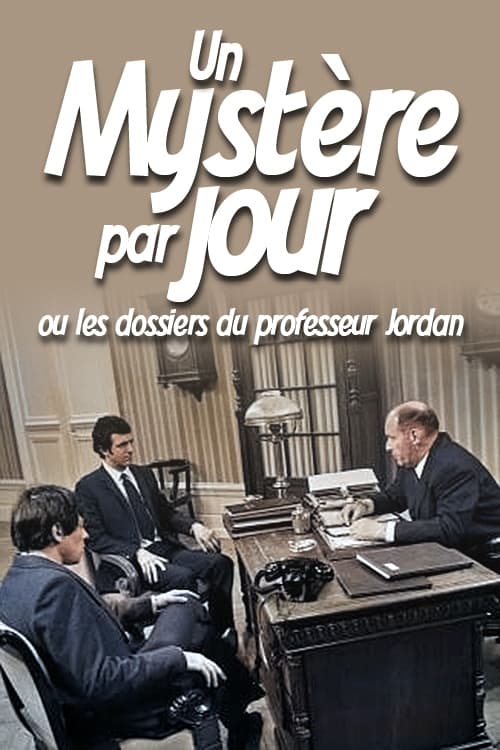 Un mystère par jour (1970)10.0
 Foncouverte (1965)9.0
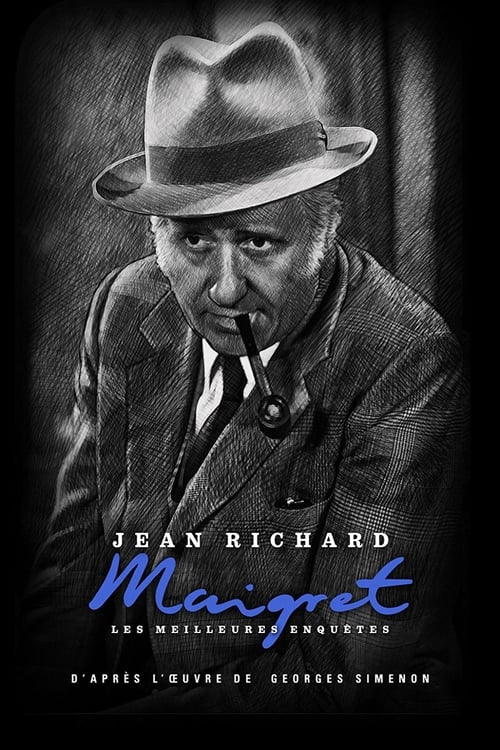 The Investigations of Commissioner Maigret (1967)8.8
 Cinépanorama (1956)8.7
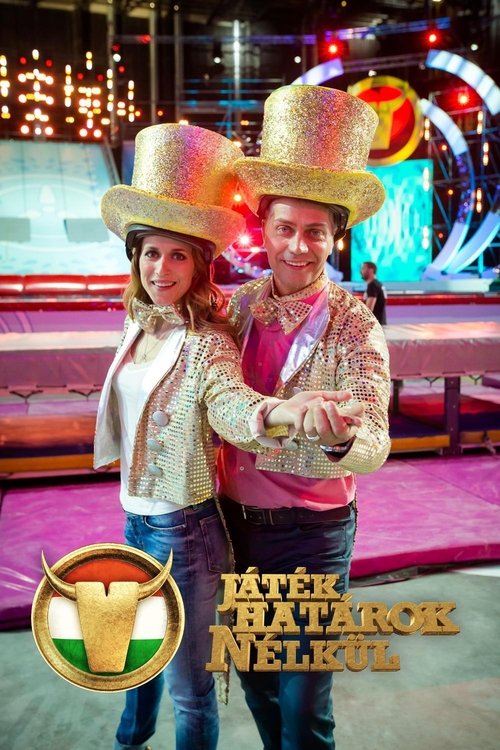 Jeux Sans Frontières (1965)8.7
Jeux sans frontières ("Games Without Borders" in French) was a Europe-wide television game show, based on the French programme Intervilles which was first broadcast in 1962. In its original conception, it was broadcast from 1965 to 1999 under the auspices of the European Broadcasting Union (EBU), which owned the format. In non French-speaking countries, the show had alternative titles. It is also widely known as "It's a Knockout", the title of the BBC's domestic version and national selection for the programme.
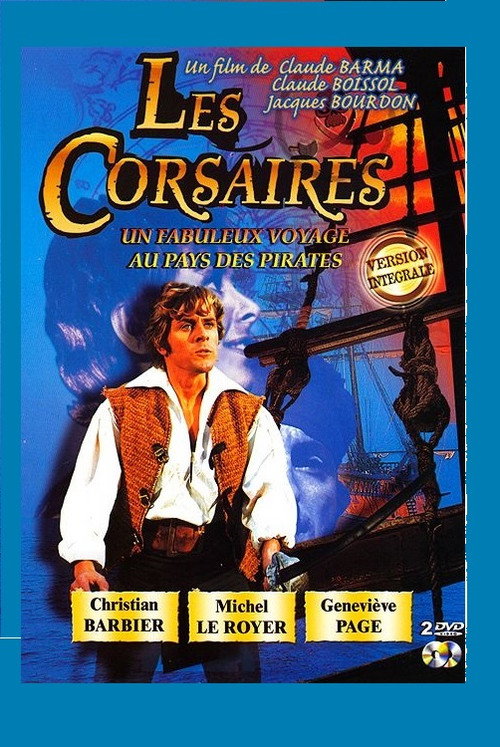 Les Corsaires (1966)8.0
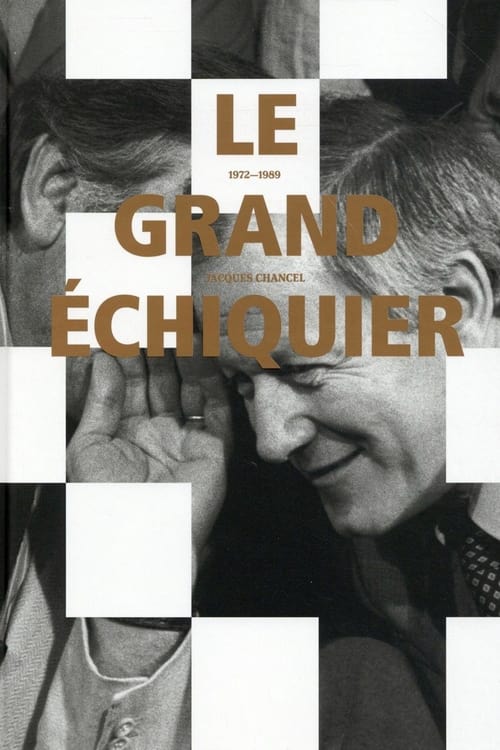 Le Grand Échiquier (1972)8.0
Le Grand Échiquier is a French variety television program created and presented by Jacques Chancel. It aired at 8:30 pm on the first channel of the ORTF from January 12, 1972 to July 12, 1972, then on the second color channel of the ORTF from September 1972 to December 1974, and finally on Antenne 2 from January 1975 to December 21, 1989. The program returned to France 2 on December 20, 2018 and is hosted by Anne-Sophie Lapix.
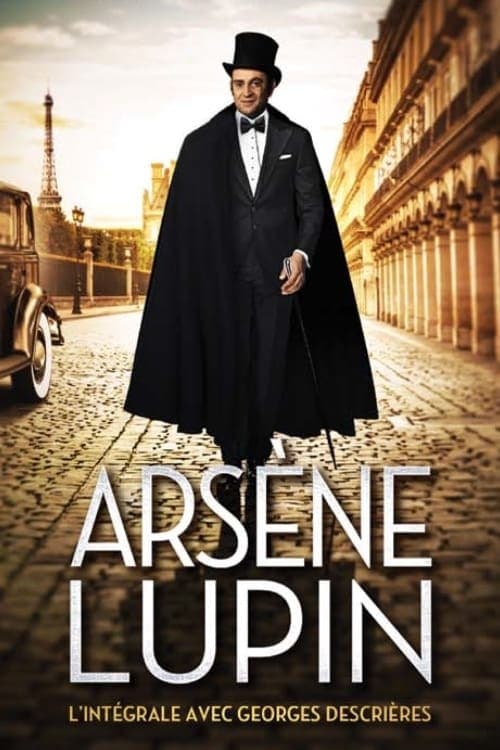 Arsène Lupin (1971)7.8
Arsène Lupin is a French TV show which was co-produced with German, Canadian, Belgian, Dutch, Swiss, Italian and Austrian TV stations. It was only loosely based on Maurice Leblancs novels. Georges Descrières' portrayal of Arsène Lupin showed more similarity to Graf Yoster than to Maurice Leblanc's original. He behaved in the first place as a perfect gentleman who never got angry. He was always relaxed, because whatever could possibly had bothered him in daily life was taken care of by his butler. It wasn't questioned how he had come to his financial independence although the series sometimes discreetly implied that he was a professional criminal. Besides rescuing damsels in distress Lupin took on criminals, competing with their wit and intelligence. Either he stole paintings from rich people who had to be considered white-collar criminals or he acted as a detective who derailed criminal schemes. However, when he was attacked, he could defend himself effortlessly by using elegant jujutsu methods. Among the guest stars were German actors such as Günter Strack and Sky du Mont. Jean-Paul Salomé said in his commentary on the DVD version of his film Arsène Lupin he had like this series as a child. German TV, one the investors, would broadcast the show eventually between 18:00-20:00 o'clock because it was only allowed to show commercials within that very timeslot. For them to get a financial return on investment the show had to be appropriate for families and also for children who would watch it alone. Subsequently it was nearby to ask to defuse and flatten some of Leblanc's plots in order to avoid possible complaints that could force the station to broadcast the show beyond the "Vorabendprogramm".
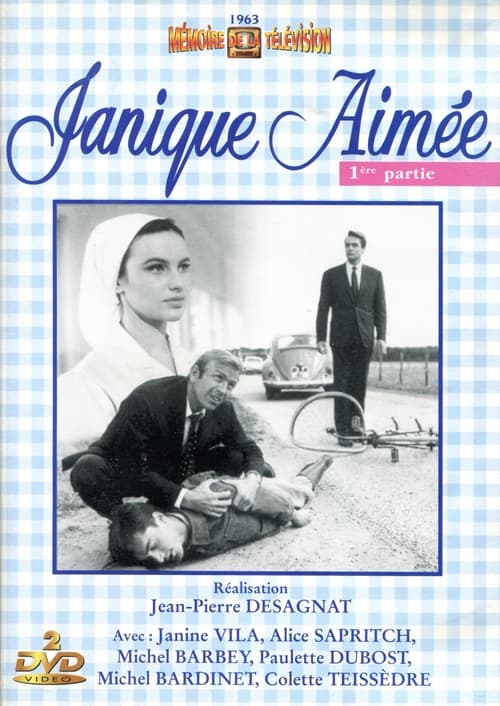 Janique Aimée (1963)7.5
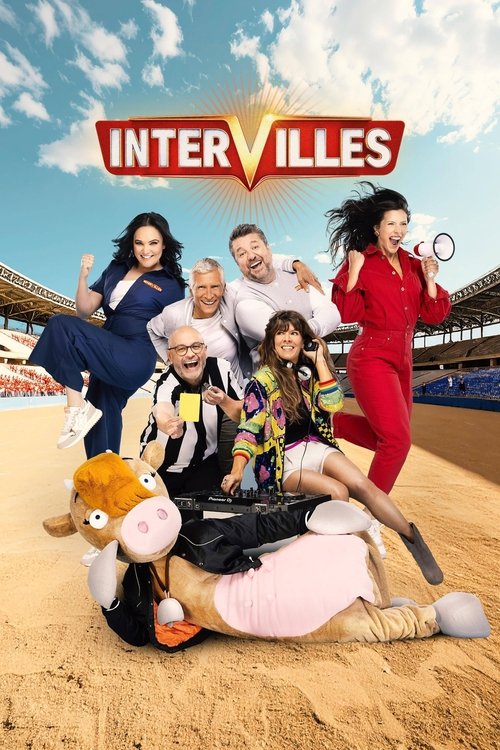 Intervilles (1962)7.0
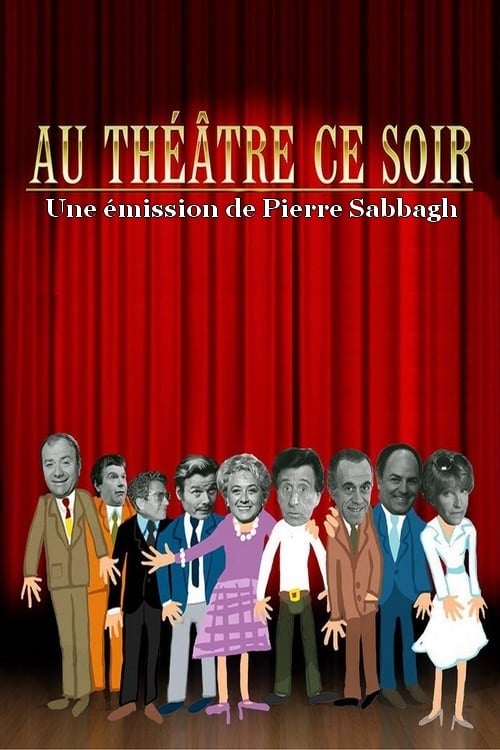 At Theatre Tonight (1966)7.0
At Theater tonight is a TV show broadcasted from 25th August 1966 to 21st September 1985. The show is broadcast plays recorded in two or three days, during public performances at the Théâtre Marigny on the Champs-Élysées, or sometimes Edouard VII theater.
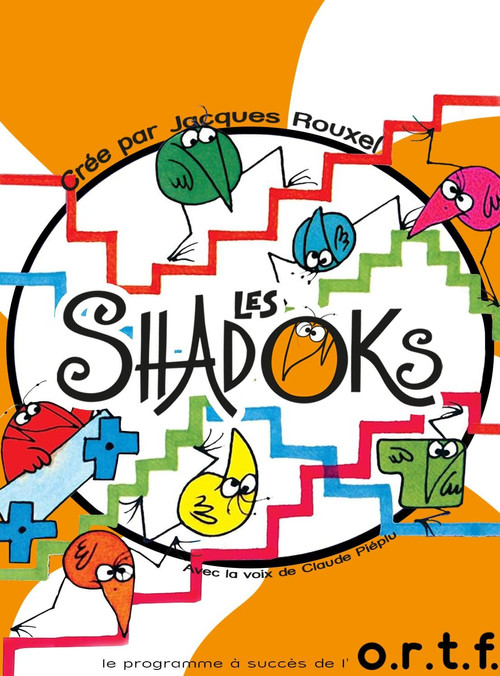 Les Shadoks (1968)7.0
Les Shadoks is an animated television series created by French cartoonist Jacques Rouxel which caused a sensation in France when it was first broadcast in 1968-1974. The Shadoks were bird-like in appearance, were characterised by ruthlessness and stupidity and inhabited a two dimensional planet. Another set of creatures in the Shadok canon are the Gibis, who are the opposite to the Shadoks in that they are intelligent but vulnerable and also inhabit a two-dimensional planet. Rouxel claims that the term Shadok obtains some derivation from Captain Haddock of Hergé's The Adventures of Tintin and the Gibis are essentially GBs. The Shadoks were a significant literary, cultural and philosophical phenomenon in France. Even today, the French occasionally use satirical comparisons with the Shadoks for policies and attitudes that they consider absurd. The Shadoks were noted for mottos such as: ⁕"Why do it the easy way when you can do it the hard way?" ⁕"When one tries continuously, one ends up succeeding. Thus, the more one fails, the greater the chance that it will work."
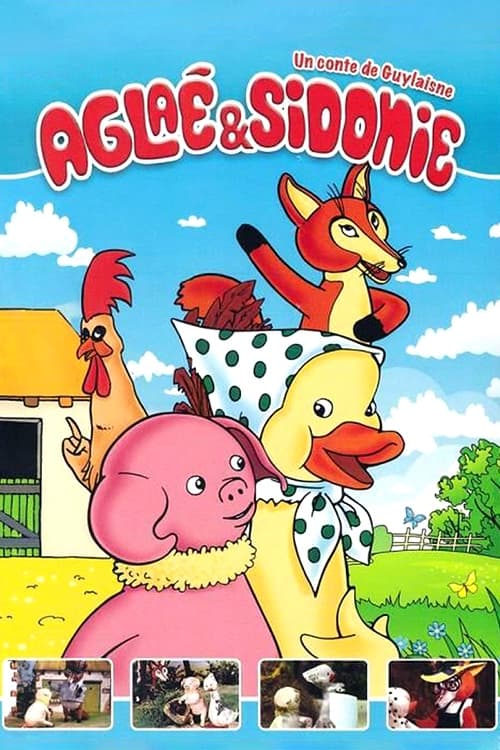 Aglaé et Sidonie (1969)7.0
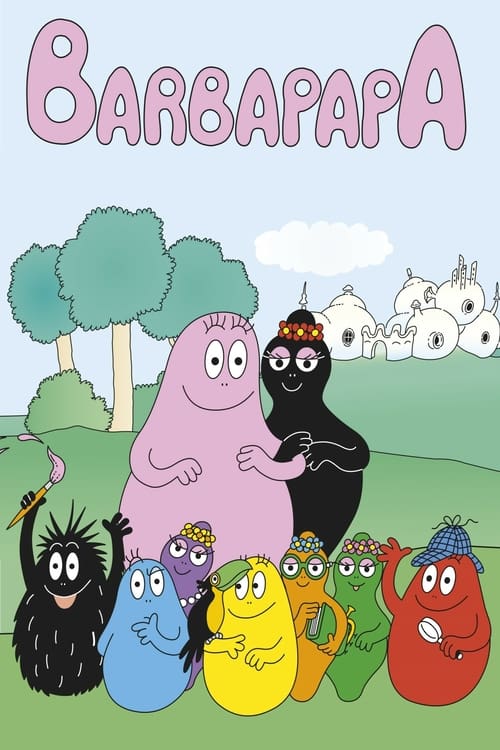 Barbapapa (1974)7.0
The adventures of Barbapapa and Barbama and their seven children, where they search for their place in the world, while helping humans and animals.
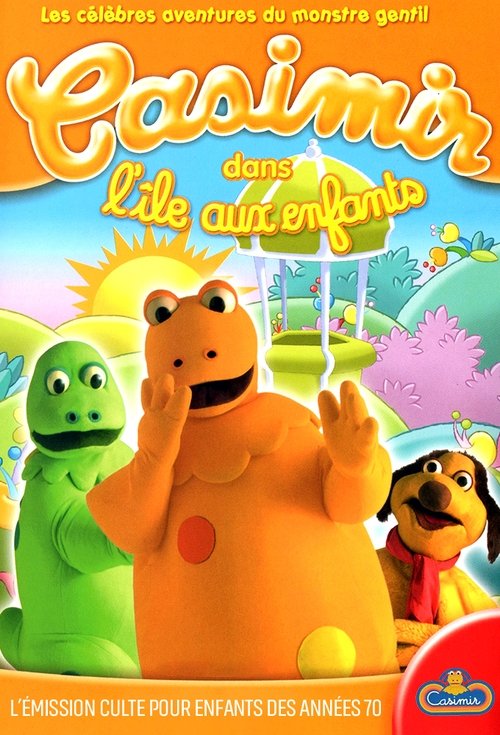 L'Île Aux Enfants (1974)6.7
French children's television series inspired by Sesame Street featuring Casimir, an anthropomorphic orange dinosaur with yellow and red spots.
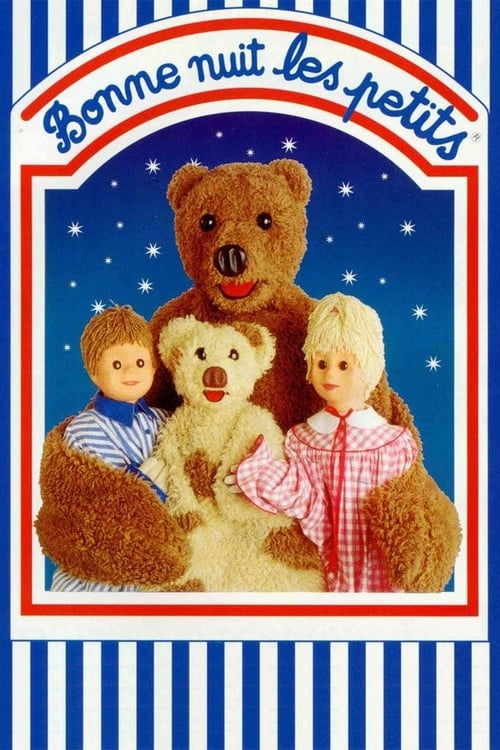 Bonne nuit les petits (1962)6.4
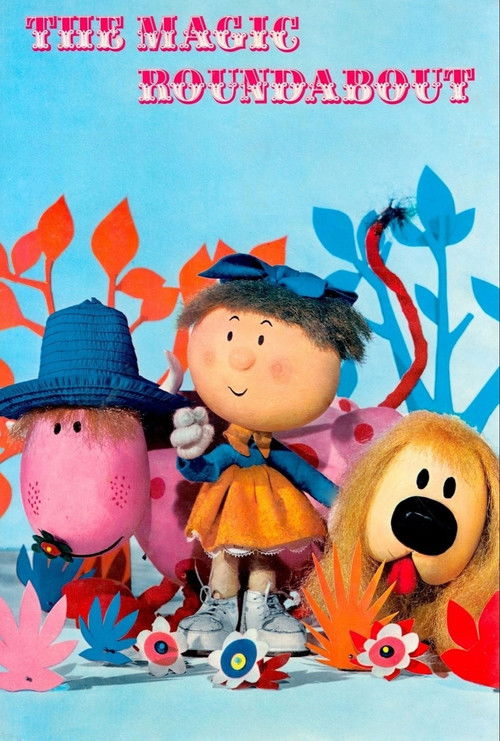 The Magic Roundabout (1964)6.4
The Magic Roundabout is a French-British children's television programme created in France in 1963 by Serge Danot, with the help of Ivor Wood and Wood's French wife, Josiane. The series was originally broadcast between 1964 and 1971 on ORTF, originally in black-and-white. Having originally rejected the series as "charming... but difficult to dub into English", the BBC later produced a version of the series using the original stop motion animation footage with new English-language scripts, written and performed by Eric Thompson, which bore little relation to the original storylines. This version, broadcast in 441 five-minute-long episodes from 18 October 1965 to 25 January 1977, was a great success and attained cult status, and when in 1967 it was moved from the slot just before the evening news to an earlier children's viewing time, adult viewers complained to the BBC.
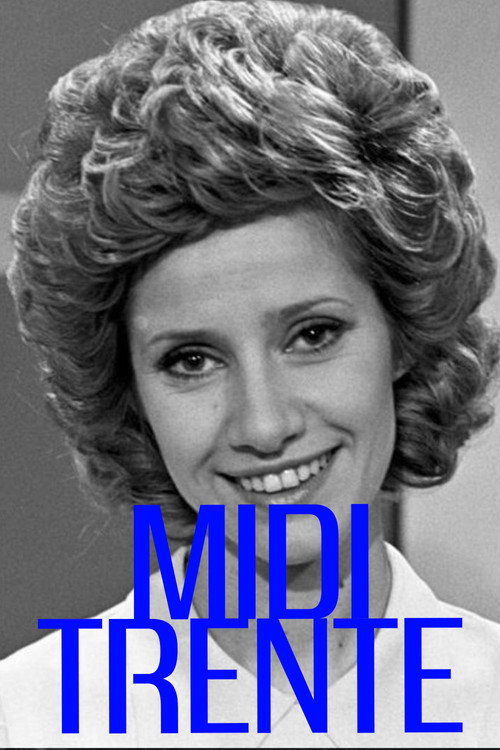 Midi trente (1972)6.0
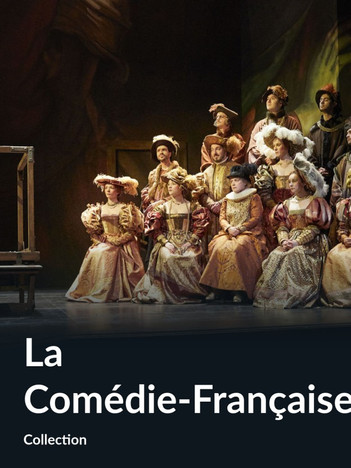 La Comédie-Française (1952)N/A
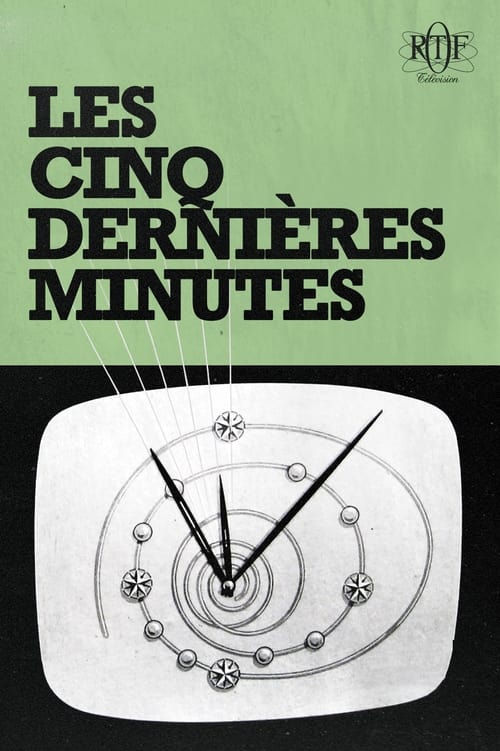 Les Cinq Dernières Minutes (1958)N/A
Les Cinq Dernieres Minutes is a crime based French television series