
The Best TV Shows on NHK
Every NHK Show Ranked From Best To Worst
A broadcaster of distinction, NHK has aired more than 20 shows between 1951 and 2026. Premiering in 1951 and 1983, NHK Kōhaku Uta-Gassen and Oshin are among NHK’s most celebrated shows. Dive into our updated selection of NHK’s finest, featuring more than 20 series as of October 2026.
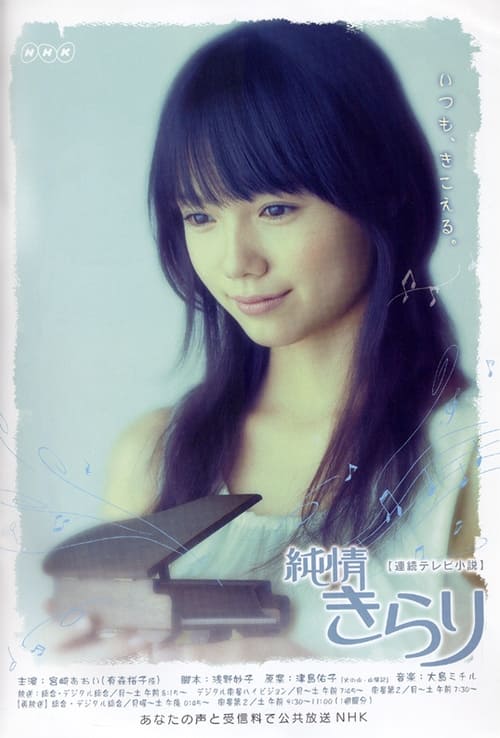 Junjo Kirari (2006)9.5
The 74th NHK Asadora Drama is Junjo Kirari, which means something along the lines of "pure-hearted Kirari." The story is set in Okazaki City, Aichi Prefecture in the era around the Second World War. When the story opens in 1928, the heroine, Sakurako, is a very active seven-year-old girl. Indeed, even in the first episode she exhibits her confidence and enthusiasm. But above all else, Sakurako is interested in becoming a jazz pianist, and music features extensively in the plot.
 Mampuku (2018)9.0
Based on true story of the wife of Ando Momofuku, the businessman who founded Nissin Food Products Co. Ltd. and the inventor of instant ramen, the 99th Asadora follows the life of Tachibana Fukuko, a young woman who tries to survive tough times in Osaka with her husband from before WWII to the rapid economic development era. Together they overcome various setbacks before they succeed in creating instant noodles. (Source: MDL)
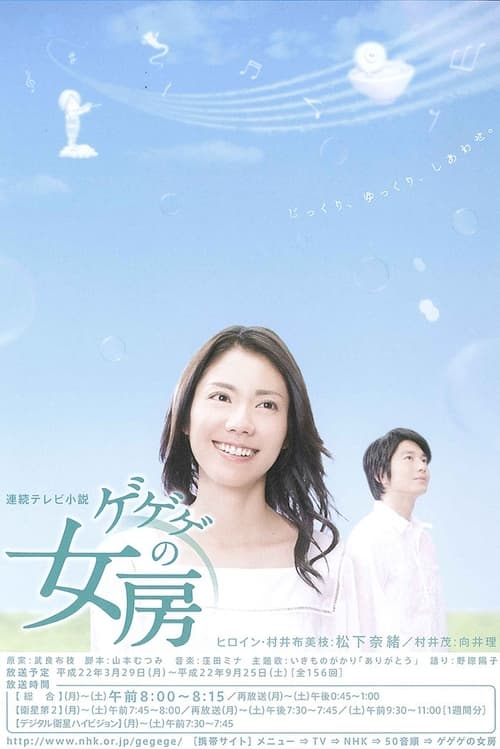 My Husband is a Cartoonist (2010)8.8
The 82nd NHK Asadora is Gegege no Nyobo. The story is based on a 2008 autobiography by Mura Nunoe, the wife of Gegege no Kitaro mangaka Mizuki Shigeru. The story revolves around the life of the married couple, told from the perspective of Mura. --Tokyograph
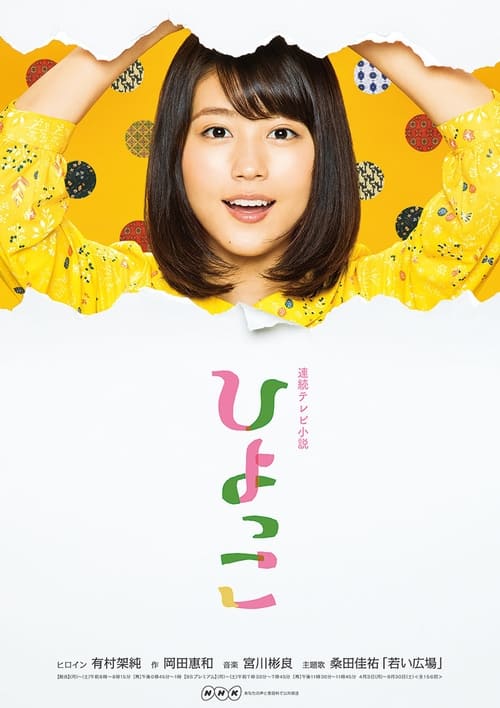 Hiyokko (2017)8.6
The 17-year-old Yatabe Mineko grew up in a family of seven in a mountain village in northeastern Ibaraki Prefecture. Her father Minoru has gone to Tokyo to work in order to earn extra money. However, her life completely changes when her father does not come back for the New Year. Mineko asks her family to let her go to Tokyo to find him and promises to send money home. In the autumn of 1964, she and two childhood friends Tokiko and Mitsuo are hired to start working at a small factory in Tokyo’s working class neighborhood. After work each day, Mineko searches for her father and gets disheartened at times. Mineko overcomes challenges and starts to lay down roots in Tokyo as she experiences many meetings and farewells amid the laughter and tears with regulars, people of the shopping street, friends, and colleagues. But will she be able to find her father?
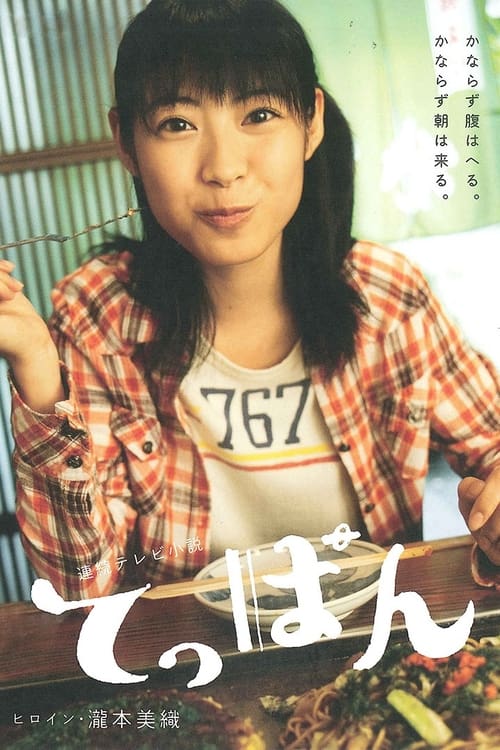 Teppan (2010)8.3
Teppan is a Japanese television drama that aired on NHK in 2010–2011. It was the 83rd Asadora. It starred a new actress, Miori Takimoto, in the role of a young woman raised by an adopted family in Onomichi who learns of her real grandmother and decides to move to Osaka to start an okonomiyaki restaurant. The title word "teppan" refers to the metal surface on which okonomiyaki are cooked. The series, while interrupted by the Tohoku Earthquake, averaged a 17.2% rating, making it the fourth most popular of the Asadora dramas in the previous five years.
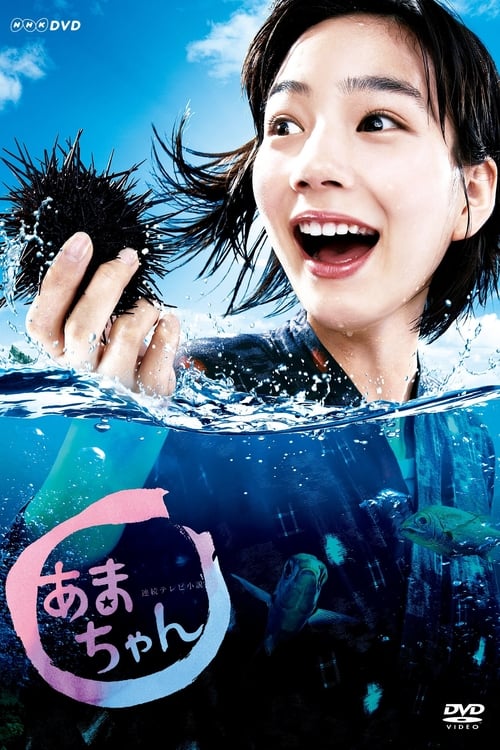 Amachan (2013)8.3
Aki Amano, a high-school girl from Tokyo moves to the Sanriku Coast in the Tohoku region to become a female diver. She becomes a local idol, then returns to Tokyo to try to become a real idol, and finally returns to Tohoku to help revitalize the area after the Great East Japan earthquake.
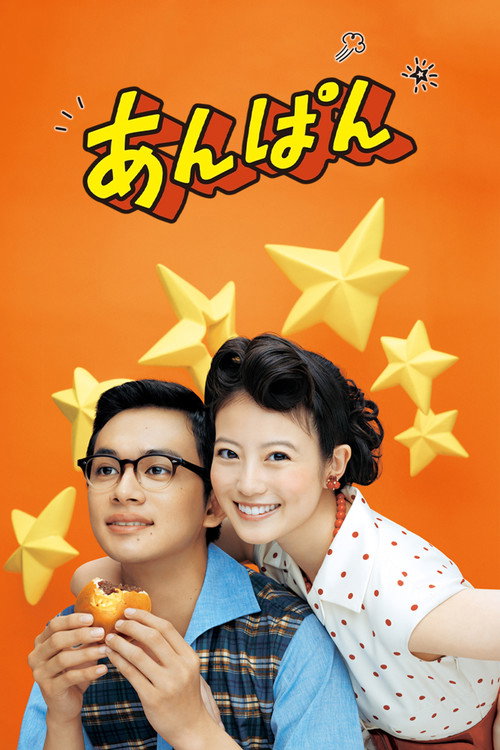 Anpan (2025)8.3
In wartime Japan, spirited Nobu transforms from a militarist schoolgirl into Kochi’s first female reporter, as she and childhood friend Takashi endure personal loss and struggle to find their own truths amid the upheaval of the Showa era.
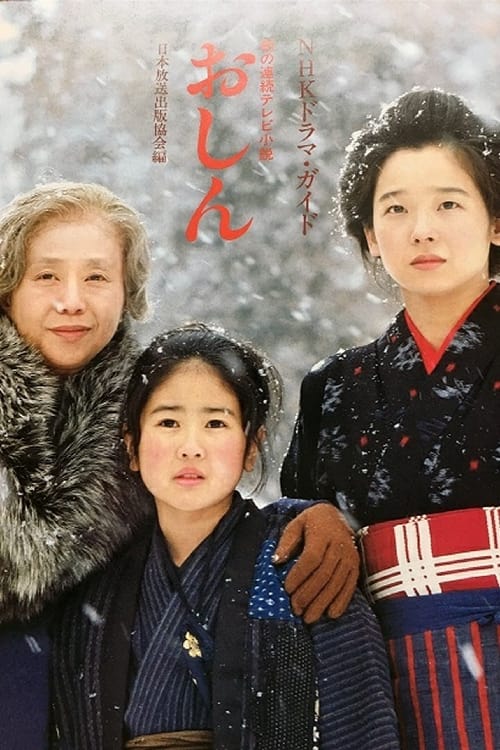 Oshin (1983)8.2
Oshin is a Japanese serialized morning television drama, which aired on broadcaster NHK from April 4, 1983 to March 31, 1984. The series follows the life of Shin Tanokura during the Meiji period up to the early 1980s. Shin was called "Oshin", which is an archaic Japanese cognomen.
 NHK Kōhaku Uta-Gassen (1951)8.0
NHK Kōhaku Uta-Gassen (NHK紅白歌合戦, "NHK Red and White Song Battle"), more commonly known simply as Kōhaku, is an annual New Year's Eve television special held on December 31 every year, and produced by Japanese public broadcaster NHK. It is broadcast live simultaneously on NHK General TV, BS4K, BS8K, and NHK radio (nationally) and internationally on NHK World Premium and some overseas (mainly cable) broadcasters who buy the program. The program divides the most popular music artists of the year into competing teams of red and white. The "red" team or "akagumi" (紅組) is composed of all female artists (or groups with female vocals), while the "white" team or "shirogumi" (白組) is all male (or groups with male vocals).
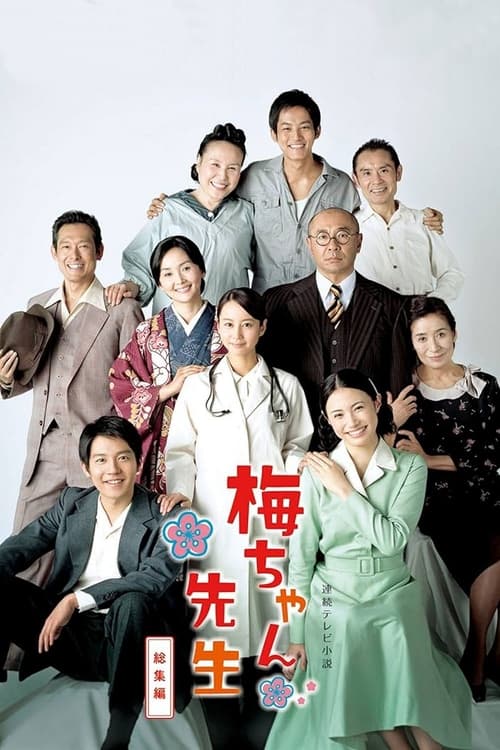 Umechan Sensei (2012)8.0
Umechan Sensei is a Japanese television drama series. It debuted on April 2, 2012. It is about a girl named Umeko Shimomura who, despite being overshadowed by her talented older brother and sister, and despite being thought of as a clumsy child, decides to follow in her father's footsteps and become a doctor. It is the 86th NHK Asadora.
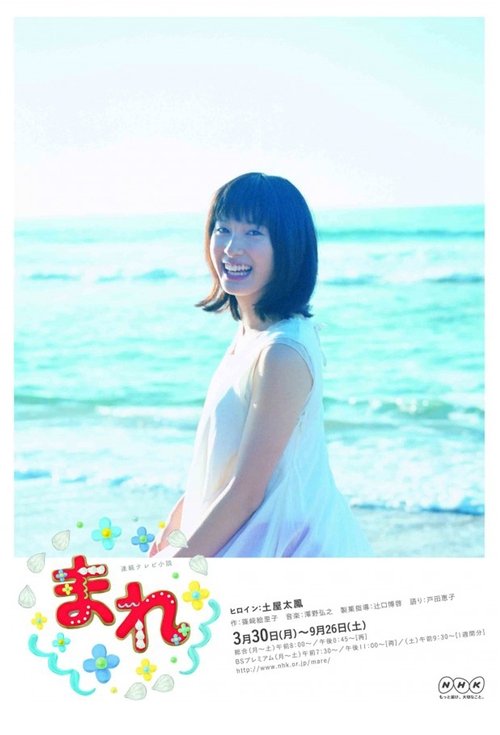 Mare (2015)7.9
Mare is an elementary school student. She lives with her family in the city, but, right before her father goes bankrupt, they run away and settle down at a fishing village in Noto. The family rents a couple's home who run a salt pond. Mare's father starts a new business, but it also fails. Her mother supports the family by working at the salt pond. 8 years later, Mare, about to graduate from high school, decides to work for the Wajima local government. She wants to have a steady job, unlike her father. Her job is to support people who move to Noto.
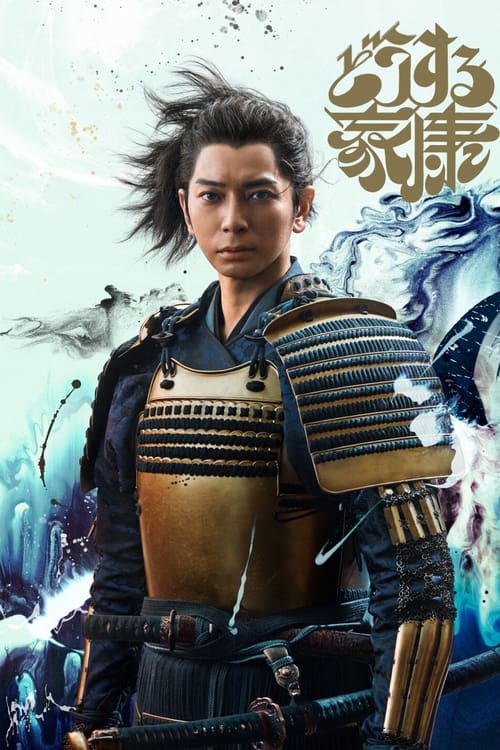 What Will You Do, Ieyasu? (2023)7.9
He lost his land, his father, and was torn from his mother. Lonely and wounded, young Takechiyo thought he'd live out his days quietly as a hostage. But fate had other plans. Inspired by Mikawa warriors, he becomes a minor lord and dives into a war-torn world ruled by monsters like Nobunaga and Shingen.Life-or-death moments, miscalculations, and no time to breathe—what will you do, Ieyasu?
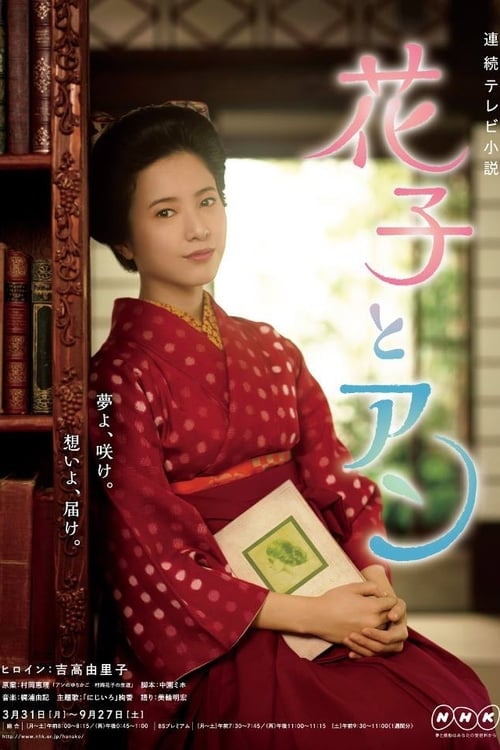 Hanako & Anne (2014)7.8
A Japanese girl from a poor family named Hanako went on an adventure to study in a girl's Christian school in Tokyo. She found her passion in English and step by step made her dream come true.
 Half Blue Sky (2018)7.8
Suzume is a girl born to a family running a small restaurant in Gifu Prefecture. She loses her hearing in one ear from a disease. Encouraged by her loving parents and childhood friend, she lives through an eventful life with a tenacious spirit.
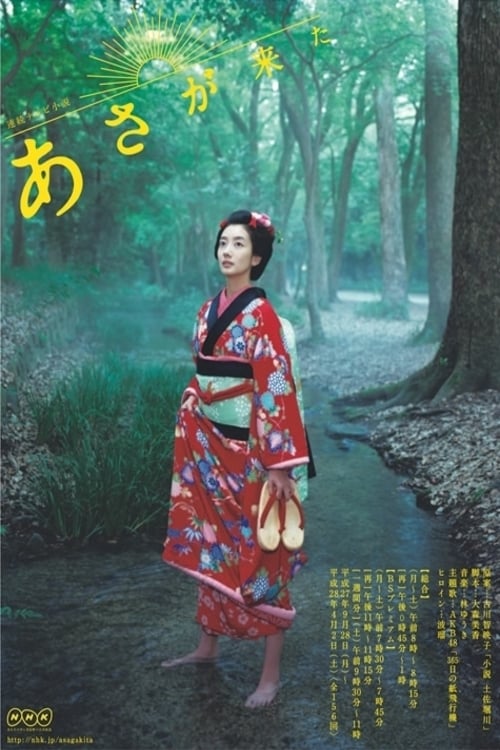 Asa ga Kita (2015)7.7
Towards the end of the Edo era, in the town of Kyoto, there lived a wealthy merchant by the name of Imai Tadamasa. He was blessed with 3 children, Hatsu, Asa and Kyutaro. His eldest, Hatsu, was a traditional girl who loved to play the koto and sew. Whilst his second daughter, Asa, was an impish hoyden who loved sumo wrestling. Asa was engaged to be married to the second son of a distinguished family who ran a money changer business in Osaka, Shirooka Shinjiro. Although Asa was furious when she had first heard about the betrothal, when she met up with Shinjiro for the first time, his charisma greatly attracted her and she fell in love with him in no time.
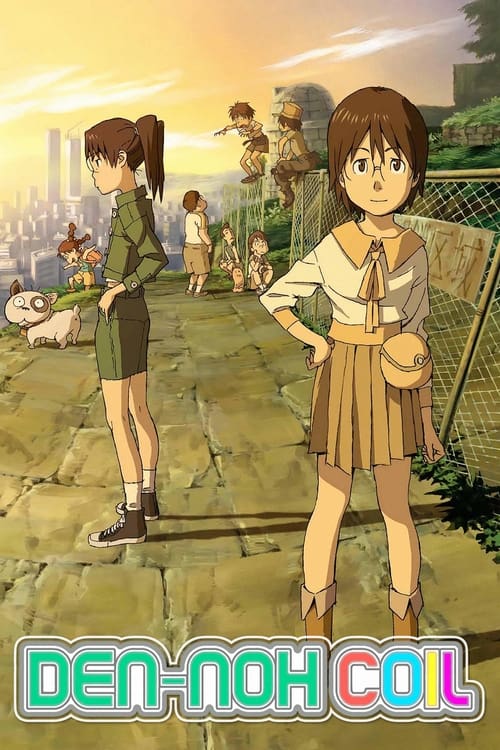 Den-noh Coil (2007)7.5
In 2026, eleven years after the introduction of internet-connected augmented reality eyeglasses and visors, Yūko Okonogi moves with her family to the city of Daikoku, the technological center of the emerging half-virtual world. Yūko joins her grandmother's "investigation agency" made up of children equipped with virtual tools and metatags. As their research turns up mounting evidence of children who have been whisked away to the mysterious "other side" of reality, they find themselves entangled in a conspiracy to cover up the dangerous true nature and history of the new technology.
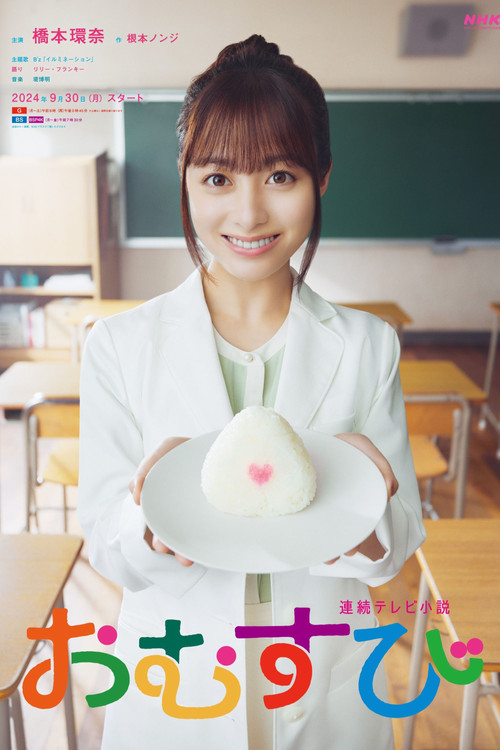 Omusubi (2024)7.5
A Heisei youth graffiti drama, in which the heroine Yoneda Yui (Hashimoto Kanna), born in the first year of the Heisei era, connects people's hearts to the future as a nutritionist. Always cherishing her individuality, she sometimes struggles, but powerfully and joyfully pushes through the turbulent Heisei and Reiwa eras.
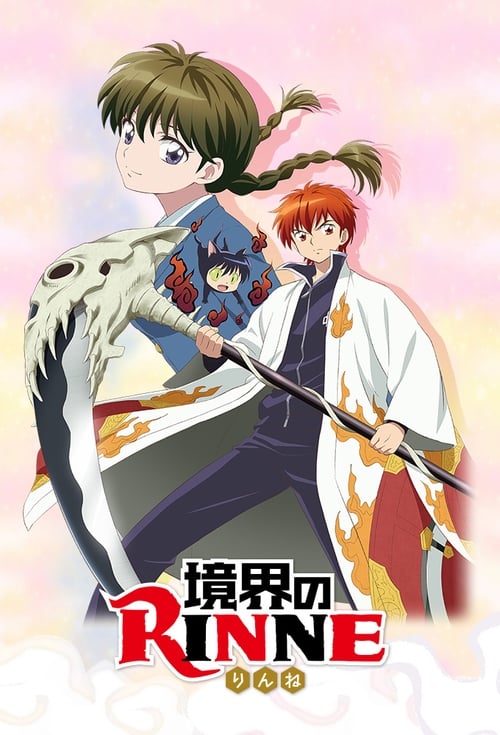 Rin-ne (2015)7.4
As a child Sakura Mamiya mysteriously disappeared in the woods behind her grandma's home. She returned whole and healthy, but since then she has had the power to see ghosts. Now a teenager, she just wishes the ghosts would leave her alone! At school, the desk next to Sakura's has been empty since the start of the school year, then one day her always-absent classmate shows up, and he's far more than what he seems!
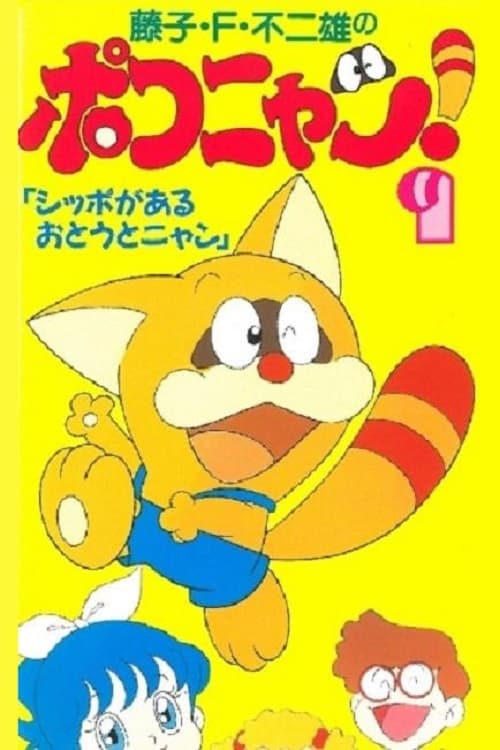 Rocky Rackat (1993)6.7
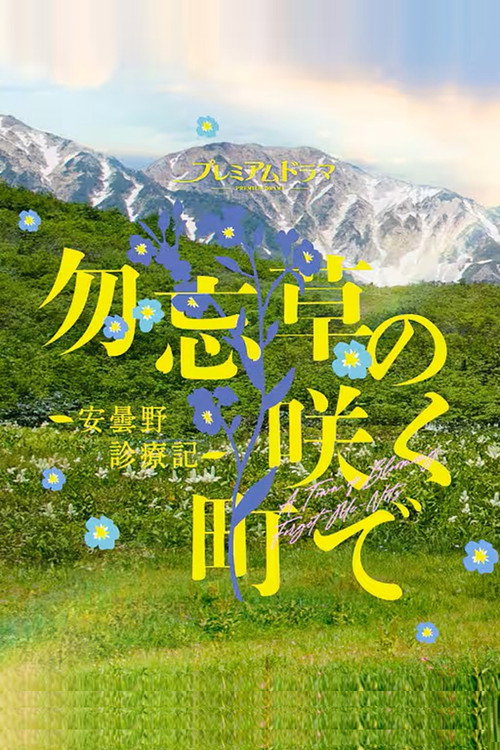 A Town of Blooming Forget-Me-Nots (2026)N/A
A dedicated nurse and a flower-loving resident doctor grow closer while confronting difficult questions about medicine, aging, and end-of-life care at a regional hospital. Adapted from the collection of short stories "Wasurenagusa no Saku Machi de: Azumino Shinryoki"