
The Best TV Shows on DFF 1
Every DFF 1 Show Ranked From Best To Worst
Across the timeline from 1960 to 1990, DFF 1 has presented audiences with over 20 captivating shows. Some of the best tv shows from DFF 1 include Der schwarze Kanal and Der Staatsanwalt hat das Wort, airing in 1960 and 1965 respectively. As of September 2026, our compilation of DFF 1’s top-rated series boasts over 20 unique shows.
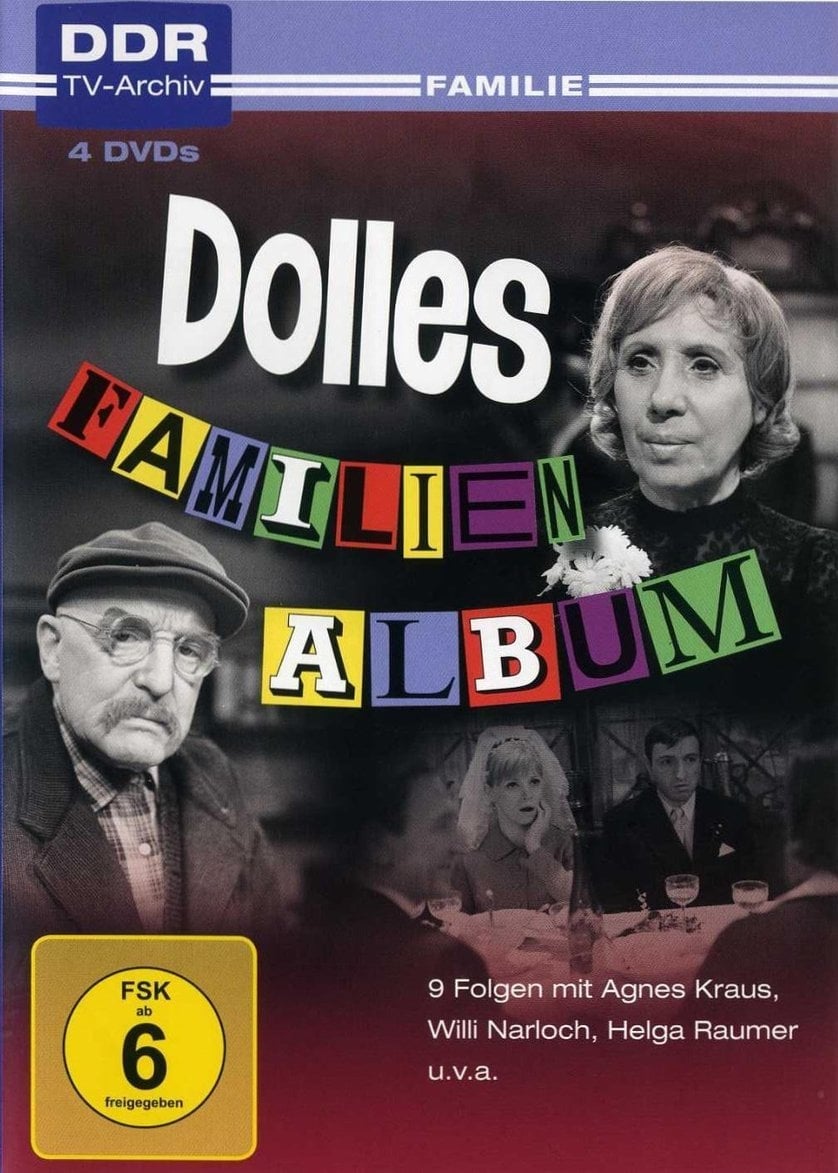 Dolles Familienalbum (1969)10.0
 Familie intakt (1984)10.0
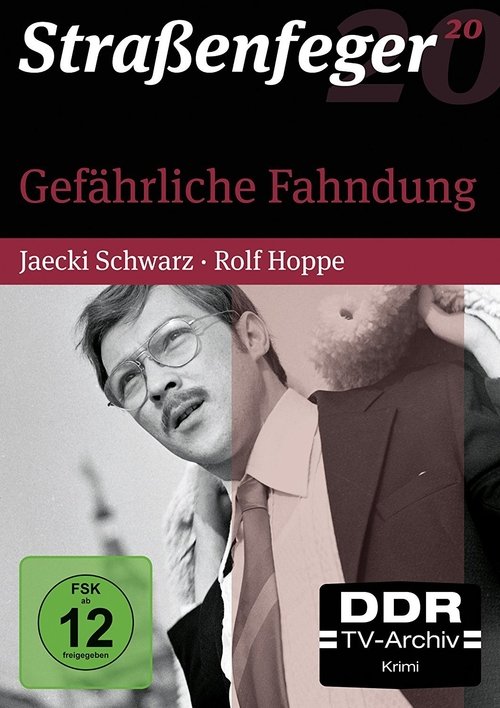 Gefährliche Fahndung (1978)9.0
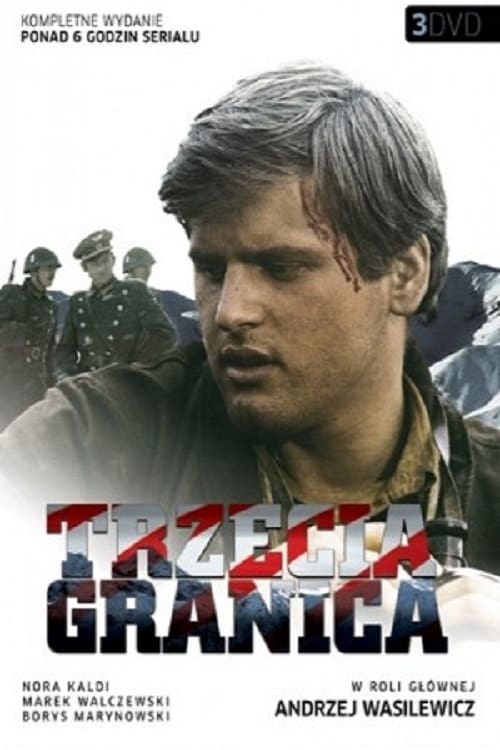 Trzecia granica (1976)8.5
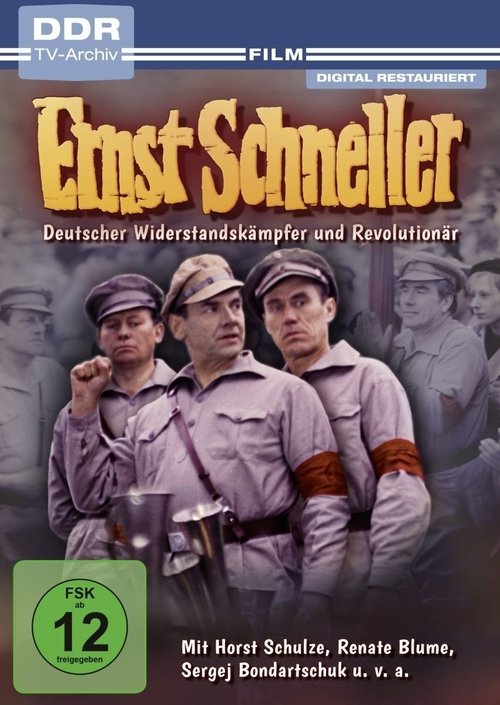 Ernst Schneller (1977)8.0
The movie begins by showing how Schneller takes up the profession of a teacher out of love for the children. When the First World War begins, he becomes a 'volunteer officer' and slowly the political situation begins to shape him. He develops into a revolutionary fighter.
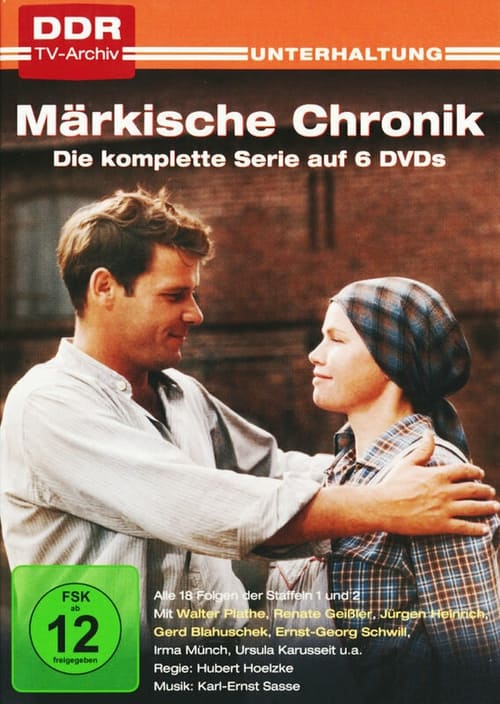 Märkische Chronik (1983)7.0
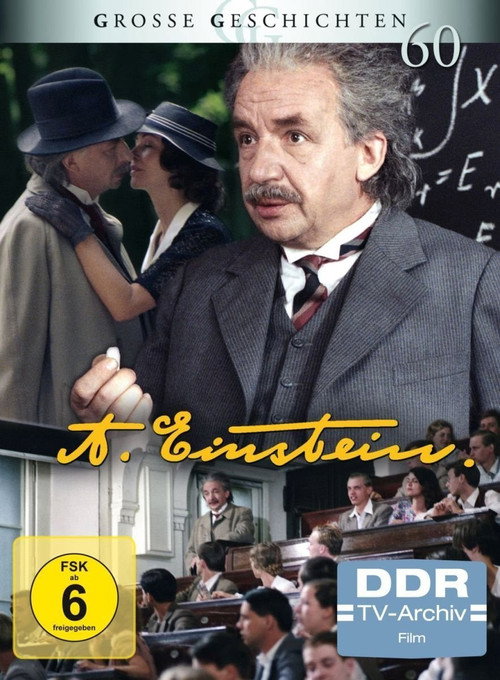 Albert Einstein (1990)7.0
Two-part miniseries about Einstein's escape from Germany in 1932 and his influence in the invention of the nuclear bomb in 1939.
 Polizeiruf 110 (1971)6.3
Polizeiruf 110 is a long-running German language detective television series. The first episode was broadcast 27 June 1971 in the German Democratic Republic, and after the dissolution of Fernsehen der DDR the series was picked up by ARD. It was originally created as a counterpart to the West German series Tatort, and quickly became a public favorite.
 Sachsens Glanz und Preußens Gloria (1987)6.0
Love, intrigue, favouritism and corruption at the Dresdner Hof.
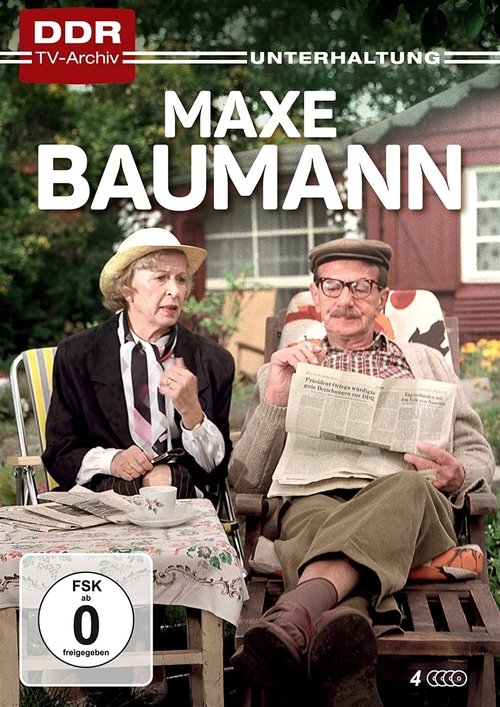 Maxe Baumann (1976)5.0
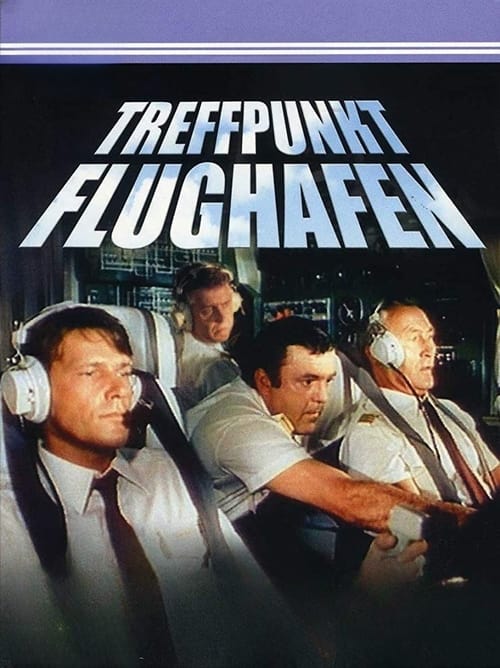 Treffpunkt Flughafen (1986)5.0
Treffpunkt Flughafen is an East-German television series produced by the DEFA-Studio für Spielfilme on behalf of Fernsehen der DDR in 1985/86. The show follows the life and adventures of the crew of a IL-62 operated by the East-German airline Interflug. Filming locations were East Germany, Vietnam, Angola and Cuba among others.
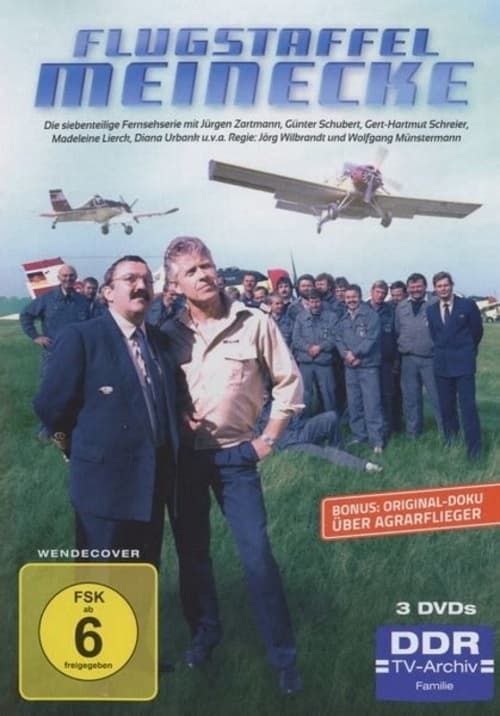 Flugstaffel Meinecke (1990)5.0
Flugstaffel Meinecke is a German television series.
- Ein Kessel Buntes (1972)4.2
The show was meant to compete with those on West German television. To this end it was fairly successful even attracting a following in parts of West Germany which could receive Eastern TV. Its production values were high. Apart from song and dance numbers and appearances from East German celebrities, almost every broadcast featured well-known stars from the west, often after their popularity had peaked in their home countries.
 Der Staatsanwalt hat das Wort (1965)3.8
Der Staatsanwalt hat das Wort was an East German television series.
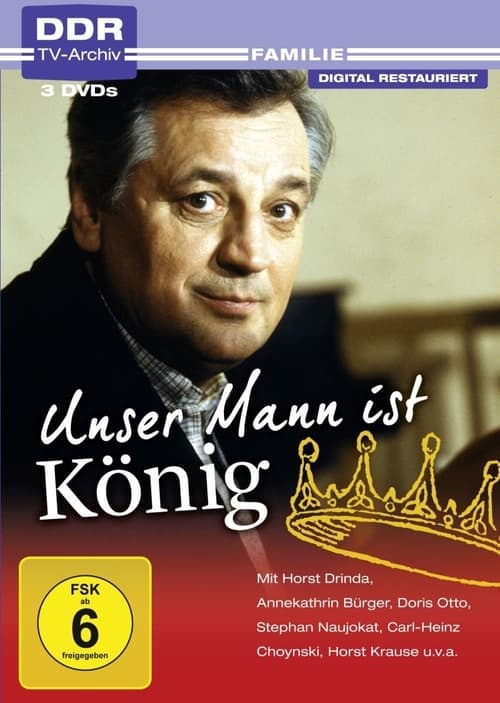 Unser Mann ist König (1980)1.0
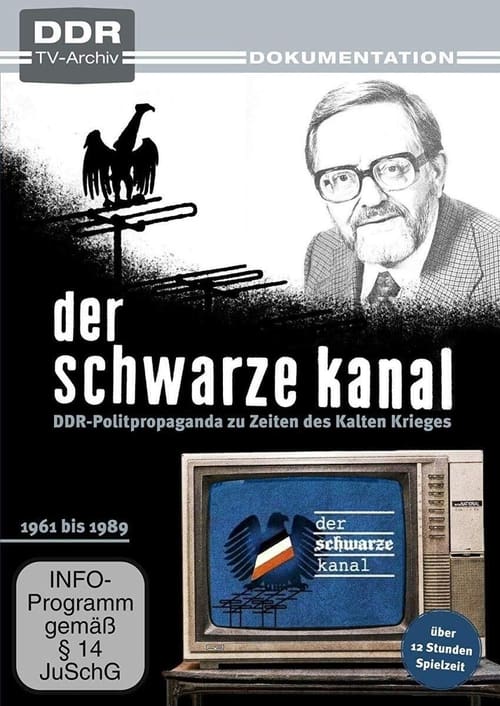 Der schwarze Kanal (1960)N/A
Der schwarze Kanal was a series of political propaganda programmes broadcast weekly between 1960 and 1989 by East German television. Each edition was made up of recorded extracts from recent West German television programmes re-edited to include a Communist commentary.
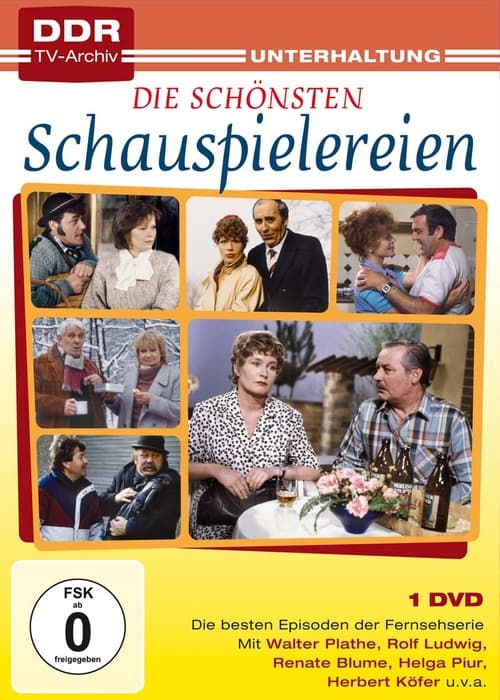 Schauspielereien (1978)N/A
The film is set in the 1930s in Germany. Maria Rheine and Mark Löwenthal, two young actors working in a small theater, are in love with each other. Their love affair is interrupted by Nazi racial policies; Mark is no longer allowed to perform in German theaters because he is a Jew. In order to continue acting, he joins the newly formed Jewish Theater in Berlin. Maria, who is not Jewish, faces no restrictions on her career, and she becomes a successful actress at a big theater in Munich. But her love for Mark eventually leads her to decide to sacrifice both career and security to remain close to him. She fakes a suicide, assumes a Jewish identity and, as Manja Löwenthal, joins the Jewish Theater.
- Tierparkgeschichten (1989)N/A
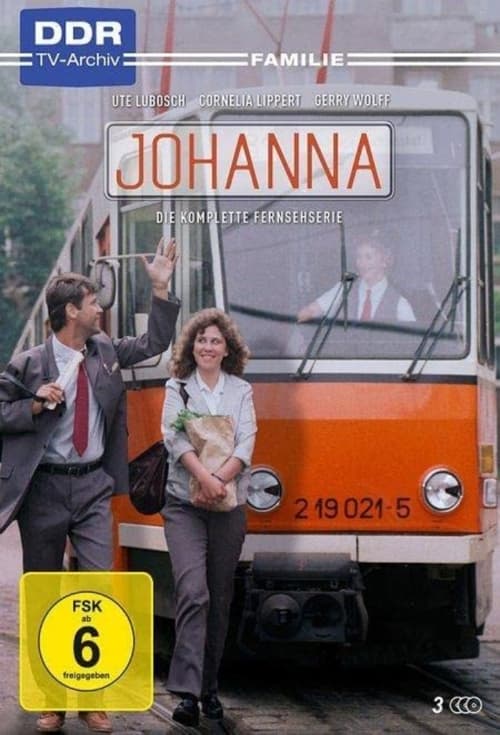
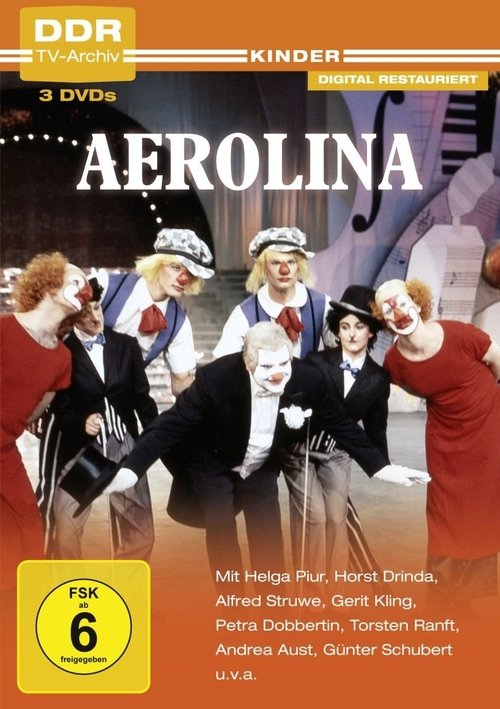 Aerolina (1990)N/A